Could your dream of waking up to a glass-calm sunrise on Lake Charlevoix actually be a six-figure legal nightmare in disguise? Most buyers imagine endless summers in Boyne City or crisp autumns in Harbor Springs, but the reality of waterfront ownership involves navigating a complex maze of local regulations and environmental codes. Understanding the common mistakes to avoid when buying a lake house is the vital difference between a relaxing retreat and a draining financial liability.
We know you aren’t just looking for a house; you’re seeking a sanctuary where your family can gather for generations. It’s natural to feel overwhelmed by shifting short-term rental ordinances in Traverse City, where $1 million liability coverage is now the standard, or the nuances of riparian rights that dictate dock placement in East Jordan. This guide reveals the hidden pitfalls of Northern Michigan real estate and shows you how to secure a profitable, stress-free legacy property. From a clear due diligence checklist to identifying which lakes near Petoskey and Boyne Falls offer the strongest ROI, you’ll gain the local expertise needed to protect your investment with absolute confidence.
Key Takeaways
- Learn how to look past the initial allure of a summer sunset to identify hidden structural or environmental issues that vacation brain often overlooks.
- Navigate the complex landscape of Michigan riparian rights and local ordinances to ensure you’re aware of the most common mistakes to avoid when buying a lake house.
- Uncover the true costs of waterfront ownership, including specialized insurance needs and the seasonal logistics of maintaining a dock on Lake Charlevoix.
- Discover how professional property management in areas like Harbor Springs or Boyne City protects your legacy while ensuring your investment remains profitable.
- Understand the vital importance of working with a local specialist who knows the specific municipality quirks that out-of-area brokers might miss.
The Emotional Trap: Why Buying for the View Alone is a Mistake
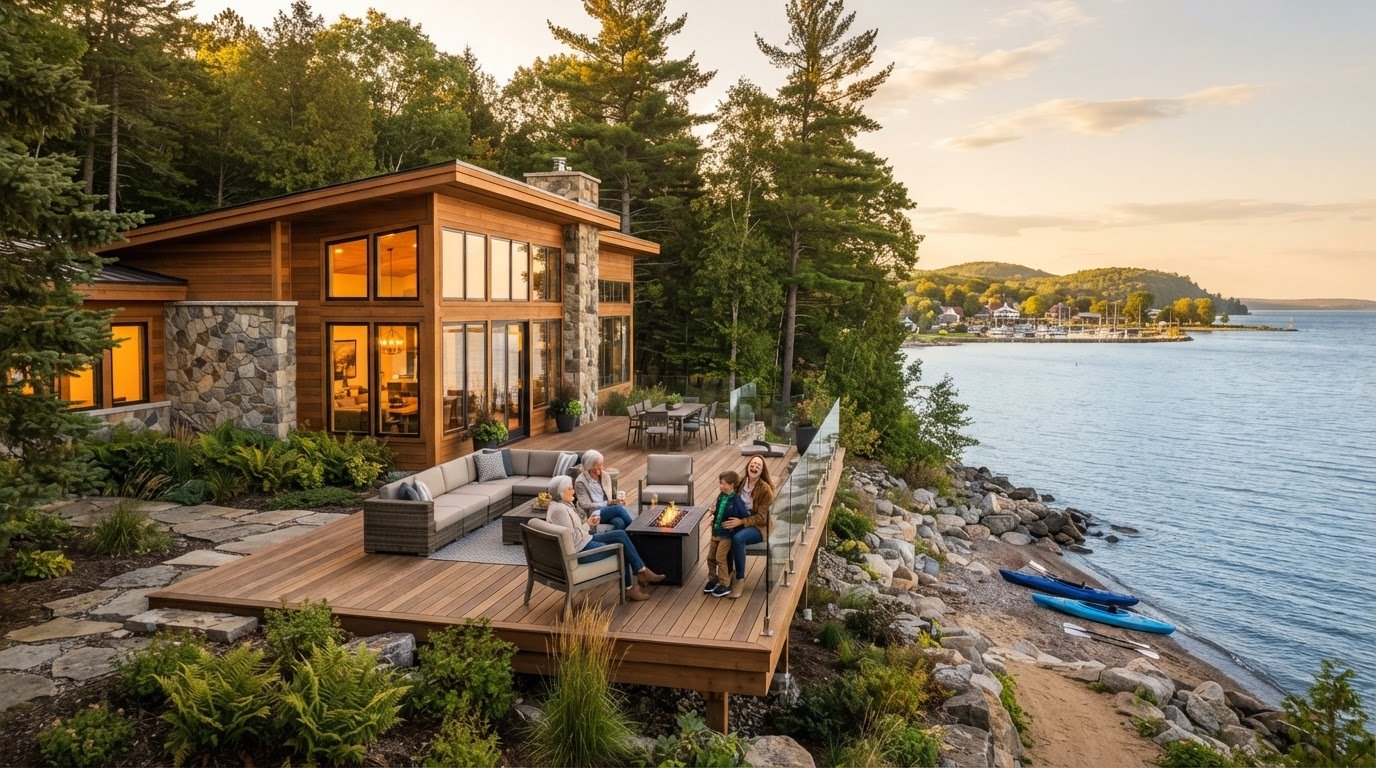
Imagine standing on a cedar deck in Petoskey, watching the sun dip into Little Traverse Bay while a cool breeze carries the scent of pine. It’s easy to succumb to “Vacation Brain,” that intoxicating mix of relaxation and adrenaline that makes every property look like a perfect sanctuary. While the emotional allure is what draws us to the water, letting these feelings cloud your judgment is one of the most common mistakes to avoid when buying a lake house. A stunning view can easily distract you from expensive realities like shoreline erosion, outdated septic systems, or structural issues caused by decades of humid lake air.
You must distinguish between aesthetic waterfront and functional waterfront. A property in Charlevoix might offer a breathtaking panoramic vista from a high bluff, yet if it requires a hundred crumbling stairs to reach the beach, its utility is limited. Functional waterfront supports the lifestyle you actually want, whether that involves easy boat access in East Jordan or a sandy walk-in beach for grandchildren. Understanding Northern Michigan Riparian Rights is essential during this evaluation. These rights determine your ability to place a dock or manage the shoreline, and they aren’t always as straightforward as they appear on a listing sheet.
To better understand how these emotional traps can impact your purchase, watch this helpful video regarding waterfront property pitfalls:
Falling in Love with a Property vs. an Investment
When your goal is to build a lasting legacy, you have to look at the numbers as much as the scenery. A cozy cottage in Boyne City might be perfect for your private family retreats, but it may lack the specific layout or bedroom count required for high-yield Lake Charlevoix Vacation Rentals. Investors often prioritize open floor plans and proximity to downtown hubs over a specific sunset angle. Set objective criteria before you start your search. This ensures your heart doesn’t lead your wallet into a deficit by ignoring the rental potential that could offset your carrying costs.
The “Summer Only” Perspective
Northern Michigan is a vibrant four-season destination, yet many buyers only tour homes during the peak of July. A property in Traverse City that feels like paradise in the summer might be difficult to access in January if the private roads aren’t regularly plowed by the local association. Another of the critical mistakes to avoid when buying a lake house is failing to account for winter maintenance and the efficiency of the heating system. Evaluate the year-round appeal by visiting during the shoulder seasons. A home that remains cozy during a November gale is a true gem that will provide comfort for your own winter retreats and attract guests throughout the year.
Overlooking Northern Michigan Riparian Rights and Local Ordinances
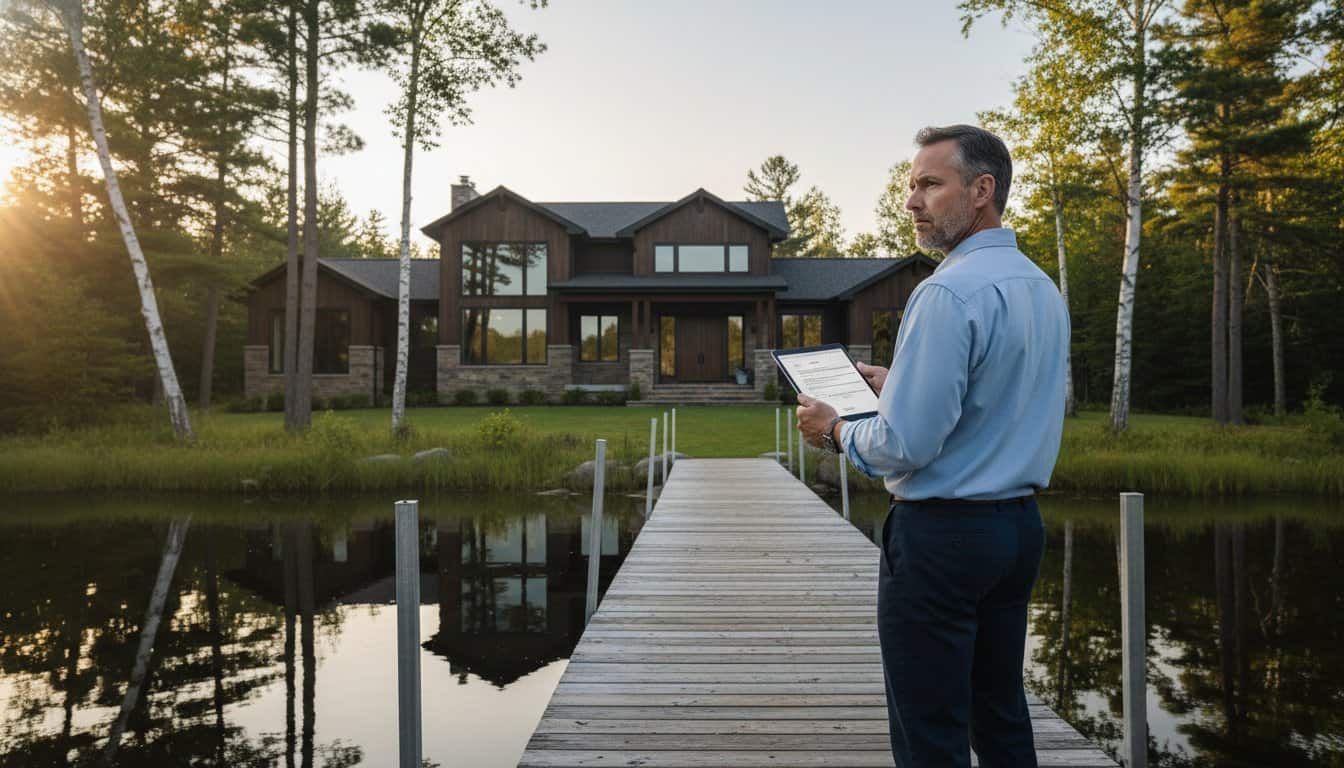
Owning a slice of the shoreline in Petoskey or Charlevoix feels like the ultimate achievement, but the legal reality of the water’s edge is often misunderstood. Riparian rights are the specific legal privileges granted to owners of land that physically touches a natural body of water. These rights generally include the ability to access the water and install a dock, but they’re never absolute. In Michigan, these privileges are strictly managed by the Michigan Department of Environment, Great Lakes, and Energy (EGLE). Neglecting to verify these rights is one of the most significant mistakes to avoid when buying a lake house, as it can lead to permanent restrictions on how you use your own beach.
EGLE oversight ensures that the delicate ecosystems of our Great Lakes and inland waters remain protected. This means that seemingly simple projects, such as installing a permanent dock or a boat hoist in East Jordan, require specific permits and adherence to fee schedules. For instance, major shoreline alterations can reach fees of $2,000 as of early 2026. Without a clear understanding of these regulations, you might find yourself underestimating the true cost of maintaining your vision for the property.
Understanding Water Access and Bottomland Ownership
A common pitfall involves the distinction between owning to the water’s edge and owning to the ordinary high-water mark. In many Northern Michigan enclaves, public roads or shared easements might separate a home from the actual shoreline. This can lead to intense disputes regarding who has the right to moor a boat or walk the sand. Before purchasing a home in Boyne City, you must secure a survey that explicitly defines your waterfront boundaries. Relying on a standard residential survey is a risk that could leave you with a view but no legal way to touch the water.
Navigating STR Regulations in Charlevoix and Emmet Counties
The rules governing short-term rentals (STR) are tightening across the region, from the quiet streets of Harbor Springs to the bustling hubs of Traverse City. Currently, Traverse City requires a vacation home rental license with a $200 annual renewal fee, while Charlevoix mandates a $300 registration fee. Buying a property with the intent to rent it out without checking the specific township ordinance is a gamble. Some areas are enacting permit caps or moratoriums that could strip your property of its income potential overnight. This is why working with a local real estate expert like Brook Walsh is critical; they understand which neighborhoods remain rental-friendly and which are facing legislative changes. You might consider exploring our full-service property management insights to see how local regulations impact long-term performance in Boyne Falls and beyond.
Underestimating the True Cost of Waterfront Maintenance and Specialized Insurance
The financial commitment of owning a legacy property in Northern Michigan extends far beyond the initial closing costs. One of the most frequent mistakes to avoid when buying a lake house is assuming that carrying costs mirror those of a traditional suburban home. Waterfront properties are subject to unique environmental stressors that require a proactive and often specialized approach to maintenance. From the shifting ice of Lake Charlevoix to the high winds of Little Traverse Bay, the elements demand respect and a dedicated budget for preservation.
Seasonal logistics represent a significant recurring expense that many newcomers overlook. In communities like Boyne City and East Jordan, the transition between seasons involves more than just swapping patio furniture. Professional dock installation and removal are essential to protect your equipment from the brutal winter freeze. When the lake surface expands, it creates “ice heaves,” which are powerful enough to buckle seawalls and crush permanent structures. Failing to account for these annual service fees can quickly erode the joy of your retreat. For those looking for professional property maintenance and repairs, understanding these regional rhythms is the first step toward a stress-free experience.
Insurance Nuances: Flood, Wind, and Liability
Securing the right coverage for a waterfront estate is a complex task. A standard homeowners policy, which averages $2,415 per year in Michigan for 2026, often carries exclusions for “business activities” or specific water-related damage. If you plan to offer your home as a vacation rental in Traverse City, you’ll likely need proof of $1 million in liability coverage to satisfy local licensing requirements. It’s vital to seek out expert tips for buying a waterfront home to ensure you aren’t left vulnerable to wind-driven rain or flood zone surcharges that a general agent might miss. Liability isn’t just about the structure; it extends to your dock, boat hoists, and the safety of guests enjoying the water.
The Seawall and Shoreline Protection Factor
The condition of a property’s shoreline protection is a critical due diligence item. Repairing a failing seawall is a major project that requires permits from the Michigan Department of Environment, Great Lakes, and Energy (EGLE), with application fees ranging from $100 for minor dock work to $2,000 for significant shoreline structures. Currently, there is a strong shift toward “soft shoreline” solutions or bioengineering. These naturalized buffers are prioritized by state regulators over traditional hard structures to protect water quality. Whether you’re looking at a cottage in Harbor Springs or a modern build in Petoskey, evaluating the existing shoreline infrastructure is essential to avoid massive unbudgeted repairs down the road.

Ignoring the ROI: The Mistake of Not Planning for Property Management
Buying a lake house is often an emotional decision, but it’s also a significant financial commitment. One of the most exhausting mistakes to avoid when buying a lake house is underestimating the labor required to maintain it as a profitable asset. For owners living in Detroit or Chicago, “DIY” management might seem cost-effective initially. The reality of midnight guest calls and emergency repairs in Boyne Falls or Traverse City quickly leads to burnout. Professional oversight ensures your property doesn’t just sit; it performs. Using our property services provides you with the peace of mind that your home is being cared for by experts who live and work in these communities.
Calculating Real-World Vacation Rental Income
Successful owners avoid the trap of using “best-case scenario” occupancy numbers when projecting their ROI. While Michigan tourism spending reached $54 billion in 2025, individual success depends on hyper-local factors. For example, Petoskey has 143 top-ranked short-term rentals with a median nightly rate of $234 as of May 2026. Proximity to attractions like Boyne Mountain or the downtown Charlevoix waterfront significantly drives premium rates. Understanding these 2026 market trends is vital. You need to account for a 6% statewide Use Tax and local licensing fees before celebrating your gross income. Overlooking these expenses is a common mistake that can turn a lucrative legacy property into a monthly drain on your resources.
The Value of Local Concierge and Maintenance Teams
A luxury vacation experience is built on the small details that an owner cannot manage from hundreds of miles away. When a pipe bursts during a sub-zero February night in Harbor Springs, you need a boots-on-the-ground team that can respond in minutes. Professional housekeeping services also play a massive role in maintaining your asset’s long-term value by identifying minor wear before it becomes a major repair. This level of meticulous care is why Northern Michigan Escapes is the preferred partner for owners who value both their time and their property’s reputation. High guest ratings are the lifeblood of waterfront rentals. They are only achieved through consistent, high-end hospitality and reliable maintenance. If you want to ensure your investment is protected by local expertise, learn more about our Full-Service Property Management and how we handle the complexities of seasonal ownership for you.
The Final Hurdle: Choosing the Wrong Agent for a Waterfront Transaction
The final hurdle in your journey toward waterfront ownership is perhaps the most critical. While many agents can navigate a standard residential closing, a waterfront transaction requires a master’s level understanding of local geography and law. One of the most expensive mistakes to avoid when buying a lake house is entrusting your investment to a general real estate agent who lacks deep roots in Northern Michigan. Whether you’re eyeing a modern estate on Walloon Lake or a historic cottage in Harbor Springs, the nuances of the shoreline are too complex for a generalist to manage effectively.
An out-of-area broker likely won’t be familiar with the hyper-local municipality quirks that define our region. They might miss a subtle red flag, like a shoreline that is prone to erosion or a property that doesn’t meet the strict septic requirements found in certain counties. Brook Walsh and the team at Northern Michigan Escapes act as your sophisticated local guides, identifying these issues before you ever make an offer. Our authority in the market comes from years of managing the very properties we help our clients acquire, ensuring that your dream home doesn’t become a legal or financial burden.
Questions to Ask Your Real Estate Broker
Before you sign a buyer’s agency agreement, you must vet your representative with specific, pointed questions. A qualified expert should be able to answer the following without hesitation:
- Do you have direct experience navigating EGLE permits and Michigan riparian law for dock placements?
- Can you provide a realistic rental income pro-forma based on actual local data rather than broad market averages?
- What is your professional relationship with local shoreline contractors and specialized home inspectors?
The NME Advantage: From Acquisition to Management
Our approach is rooted in the belief that a successful purchase is just the beginning of a long-term legacy. We provide a seamless transition from the initial acquisition to full-service property management, ensuring your home is cared for with the same meticulousness we apply to our own portfolio. We’ve helped countless owners find success with properties near Lake Charlevoix and within the premier communities of Boyne Mountain. By combining real estate expertise with a deep understanding of the vacation rental market, we protect your investment from every angle. If you’re ready to find a property that offers both personal luxury and financial performance, contact us for a real estate consultation today to begin your journey with a trusted local partner.
Securing Your Northern Michigan Legacy
Your journey toward owning a premier waterfront estate should be defined by the sound of lapping waves and the warmth of family gatherings, not the stress of unforeseen legal hurdles. By prioritizing due diligence on riparian rights and understanding the evolving short-term rental ordinances in Traverse City or Petoskey, you’ve already bypassed the most common mistakes to avoid when buying a lake house. Realizing that the “perfect view” requires a meticulous plan for seasonal maintenance and professional management ensures your investment remains a source of joy rather than a burden.
At Northern Michigan Escapes, we bring over 20 years of local expertise and a portfolio of over 250 managed properties to every transaction. As a specialized real estate brokerage focused on waterfront estates in Charlevoix and Harbor Springs, we provide the quiet reassurance that your legacy is protected by the region’s definitive experts. We invite you to view our Northern Michigan Real Estate and Management Services to see how we bridge the gap between acquisition and effortless ownership. Your dream of a peaceful retreat in Boyne City or East Jordan is within reach; let’s ensure it’s built on a foundation of local knowledge and excellence.
Frequently Asked Questions
What are riparian rights in Michigan and why do they matter?
Riparian rights are the legal privileges granted to property owners whose land physically touches a natural body of water. These rights matter because they govern your ability to build a dock, anchor a boat, and access the water directly. In Michigan, these are overseen by the Department of Environment, Great Lakes, and Energy (EGLE). Without confirmed riparian rights, you might find yourself with a beautiful view but no legal way to utilize the shoreline.
Can I rent out my lake house in Northern Michigan as a short-term rental?
Renting out your property depends entirely on the specific municipality’s ordinances and zoning laws. In Traverse City, for instance, owners must secure a vacation home rental license and maintain $1 million in liability coverage. Charlevoix also requires a registration fee and adherence to strict local rules. Verifying these regulations before purchasing is a vital step in identifying the mistakes to avoid when buying a lake house for investment purposes.
Is insurance more expensive for a lake house than a standard home?
Insurance for waterfront properties is typically more expensive due to the increased risks of wind, flood, and commercial liability. While the average Michigan homeowners insurance cost is $2,415 for 2026, lakefront estates often require specialized riders that a standard policy lacks. If you plan on hosting guests, you’ll need vacation rental insurance to bypass the “business activity” exclusion found in most residential policies, which protects your financial peace of mind.
What is the best lake in Northern Michigan for investment properties?
Lake Charlevoix is widely considered one of the best locations for investment due to its massive size and proximity to Boyne City. The lake offers a unique blend of high-end luxury and high rental demand throughout the year. Properties here benefit from a four-season tourism market, ensuring that your investment generates income during both the summer boating season and the winter ski months at nearby Boyne Mountain.
Do I need a special inspection for a waterfront home?
You absolutely need specialized inspections that go beyond a standard home assessment. A waterfront inspection should focus on the integrity of the seawall, shoreline erosion, and the functionality of the septic system. In many Northern Michigan counties, a “Time of Transfer” septic inspection is required by law. These specialized checks help you avoid the common mistakes to avoid when buying a lake house by uncovering hidden structural liabilities before closing.
How do I manage a lake house if I live in another state?
Managing a property from out of state is most effectively handled through a local, full-service property management company. A professional team in Petoskey or Harbor Springs provides 24/7 guest support and handles emergency maintenance like burst pipes or snow removal. This “boots on the ground” approach protects your asset’s condition and ensures a high-end experience for guests without requiring your physical presence for every minor logistical issue.
What are the common maintenance issues with Michigan lakefront properties?
Common maintenance issues include shoreline erosion, ice heave damage to seawalls, and the logistical needs of seasonal dock installation. The harsh Michigan winters can be brutal on waterfront structures, necessitating proactive repairs and specialized care. Additionally, septic systems in rural areas like East Jordan require regular pumping, which typically costs between $350 and $550, to ensure local water quality remains pristine and the system remains functional for years.
How does proximity to Boyne Mountain affect property value?
Proximity to Boyne Mountain significantly boosts property values by providing year-round recreational appeal. Homes in Boyne Falls or near the resort benefit from the influx of skiers in the winter and golfers in the summer. This dual-season demand creates a more stable rental market and higher occupancy rates compared to properties that rely solely on summer lake activities, making it a strategic choice for long-term appreciation and consistent income.