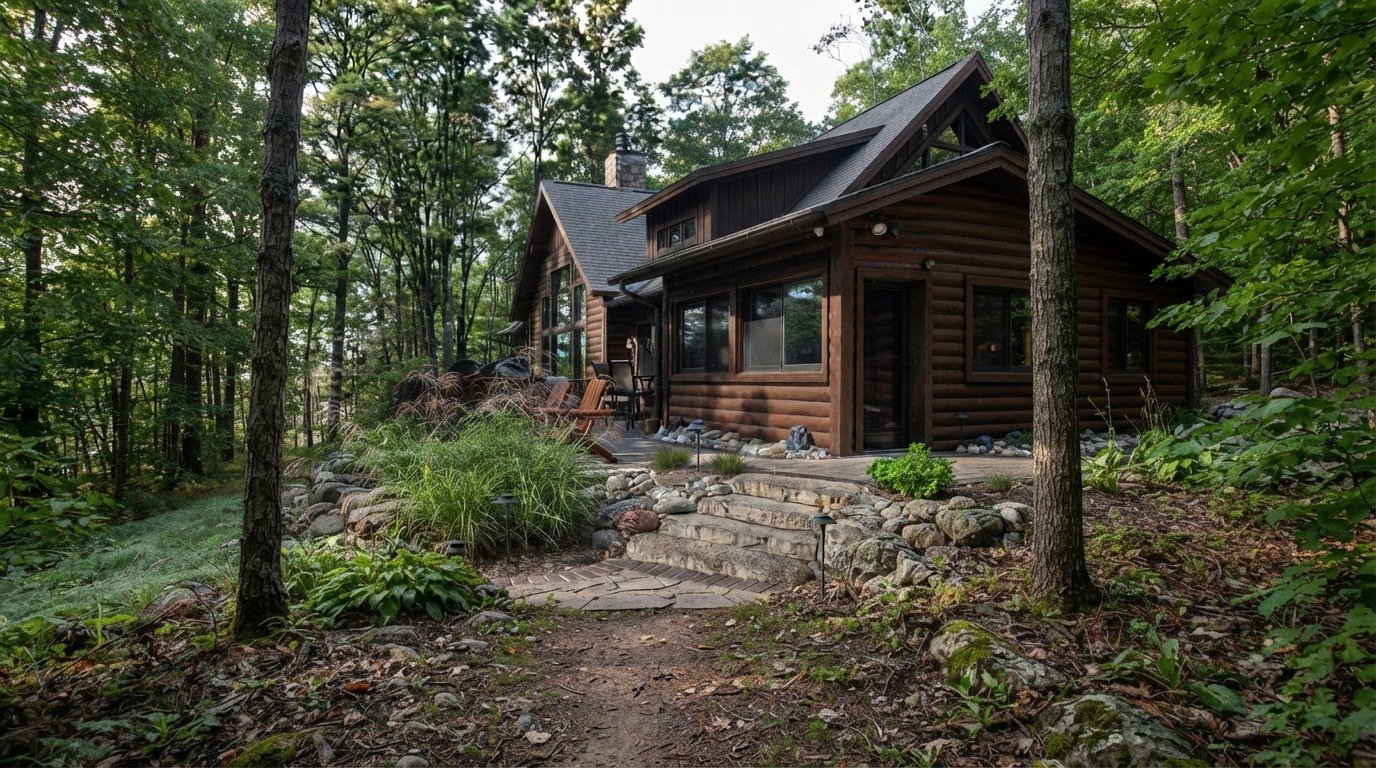

A lake home can earn meaningful rental income, but it can also demand attention at the least convenient moments: a frozen pipe on a January weekend, a guest arriving early, or a dock that needs attention before a holiday booking. Knowing how to choose a vacation rental manager means looking beyond a polished listing and finding a local partner equipped to protect your home, care for your guests, and support the ownership experience you want.
For Northern Michigan second-home owners, the right fit is rarely the company promising the highest nightly rate or the lowest management fee. It is the team that can deliver consistently through ski season, summer lake weekends, shoulder seasons, and everything in between.
Start With Your Goals for the Home
Before comparing management companies, decide what success looks like for your property. A family that wants to reserve peak summer weeks will have different needs than an investor focused on occupancy, revenue, and long-term appreciation. Many owners want both: reliable income that offsets ownership costs without giving up the ability to enjoy the home with family and friends.
Be specific about your priorities. Consider how often you plan to use the property, whether you want to accept shorter stays, how much wear and guest activity you are comfortable with, and what level of improvements you are willing to make. A manager should not apply the same strategy to a ski-in/ski-out condominium in Boyne Falls as to a waterfront estate near Charlevoix or a downtown home in Traverse City.
A thoughtful management partner will ask these questions early. They should be prepared to explain how owner stays affect booking pace, where demand is strongest, and whether your home’s layout, location, and amenities align with the guest audience you hope to attract.
Choose a Vacation Rental Manager With Local Depth
Vacation rentals are local businesses. Guests may book online from anywhere, but a successful stay depends on someone nearby who understands access roads, snow conditions, township regulations, waterfront safety, local vendors, and the expectations of travelers visiting the area.
Ask each company how long it has operated in your specific market and how it supports homes when the office is closed. A regional presence matters when a guest cannot access the home at 10 p.m., a furnace needs service during a cold snap, or a cleaner identifies damage between back-to-back reservations.
Local depth also shapes pricing. Northern Michigan demand does not follow one simple pattern. Holiday weeks, fall color, ski weekends, wedding seasons, lake weather, and local events can all influence rate strategy. A manager should know when to protect premium rates, when to offer targeted incentives, and when longer minimum stays will improve the guest experience and reduce turnover costs.
Do not settle for broad assurances that a company “knows the area.” Ask for examples of how its team has handled a weather disruption, an urgent maintenance issue, or a same-day booking. The answers reveal whether local service is a real operating strength or a marketing phrase.
Look Past the Management Fee
The lowest percentage is not automatically the best value. A reduced fee can be costly if it comes with weak marketing, limited support, slow maintenance coordination, or surprise charges that dilute your net income. Conversely, a higher fee can make sense when it includes stronger distribution, professional guest communication, inspections, revenue management, and hands-on property care.
Request a clear explanation of every owner expense. You should understand how the company handles cleaning, maintenance labor, emergency calls, linens, supplies, credit card processing, marketing, owner statements, and damage claims. Ask whether the manager adds a markup to vendor work and how approval thresholds are set for repairs.
Then evaluate the complete financial picture. A good proposal shows projected gross revenue, expected operating expenses, management costs, and estimated owner income. Projections should be grounded in comparable homes and current market performance, not simply a best-case estimate based on a handful of peak-season nights.
A manager who is transparent about trade-offs deserves attention. For example, allowing one-night stays may increase booking volume but can raise cleaning costs and wear. Premium furnishings may improve rates and reviews, but they require an appropriate replacement budget. Honest guidance is more valuable than an optimistic forecast that leaves out the operational realities.
Evaluate Marketing, Revenue Strategy, and Reporting
Your property needs more than attractive photos. It needs a distribution and pricing plan that reaches the right guests and adjusts as booking conditions change. Ask where homes are marketed, who writes listings, how photos are refreshed, and how the company responds to changes in demand.
A capable manager should be able to discuss rate calendars, minimum-stay rules, booking windows, and competitor monitoring in plain language. They should also know which amenities matter to Northern Michigan travelers. Depending on the home, that might include lake access, a private dock, a fireplace, a hot tub, a game room, pet-friendly accommodations, ski proximity, or enough gathering space for multigenerational families.
Reporting should make ownership easier, not create another monthly task. Look for timely statements that separate rental income, taxes, cleaning, maintenance, and other expenses. Owners should have a clear view of upcoming reservations, blocked personal dates, service activity, and financial performance.
It is reasonable to ask how the manager measures success. Occupancy alone does not tell the whole story. A heavily discounted calendar may look full while producing less revenue than a strategically priced home with fewer nights booked. Strong managers balance occupancy, average daily rate, guest satisfaction, property condition, and net owner results.
Confirm the Guest Experience and Property Care Standards
A vacation rental manager represents your home every time a guest calls, sends a message, or walks through the front door. The quality of that experience directly affects reviews, repeat stays, and the condition of your investment.
Ask who answers guest questions before and during a reservation, and whether support is available 24/7 for urgent issues. Learn how the company handles arrival instructions, concierge requests, complaints, refunds, and damage. A friendly booking process is valuable, but the real test is how the team responds when something does not go as planned.
Property care deserves the same scrutiny. Ask about cleaning checklists, post-stay inspections, seasonal home checks, inventory controls, and maintenance communication. For a second home that may sit vacant between stays, proactive oversight can prevent a small concern from becoming an expensive repair.
If your property needs furnishing updates, lawn care, remodeling, or ongoing residence oversight, consider whether the company can coordinate those services. An integrated team can reduce handoffs and give you one accountable point of contact. Northern Michigan Escapes, for example, combines vacation rentals, property services, and real estate expertise for owners who want support across the full lifecycle of a resort-area home.
Ask About Communication Before You Sign
The management agreement should reflect a working relationship, not just a fee structure. Pay attention to how the company communicates during the selection process. Are responses timely? Do they answer direct questions? Can they explain policies without pressure or vague promises?
Clarify who your primary contact will be, how often you can expect updates, and how emergency decisions are made. Review contract length, renewal terms, cancellation provisions, owner-use rules, insurance expectations, and any restrictions on selling the property. If you plan to sell in the future, ask whether the manager can help position the home for buyers who value rental history and booking continuity.
References can be useful, particularly from owners with homes similar to yours. Ask those owners about responsiveness, financial clarity, maintenance oversight, and whether the manager delivered on the expectations set at the beginning. A company can make an occasional mistake; what matters is whether it takes ownership and resolves the issue well.
The best management relationship gives you more than reservations on a calendar. It gives you confidence that your home is being watched over, your guests are welcomed with care, and your personal time in Northern Michigan remains what it should be: time to make lifelong memories.